
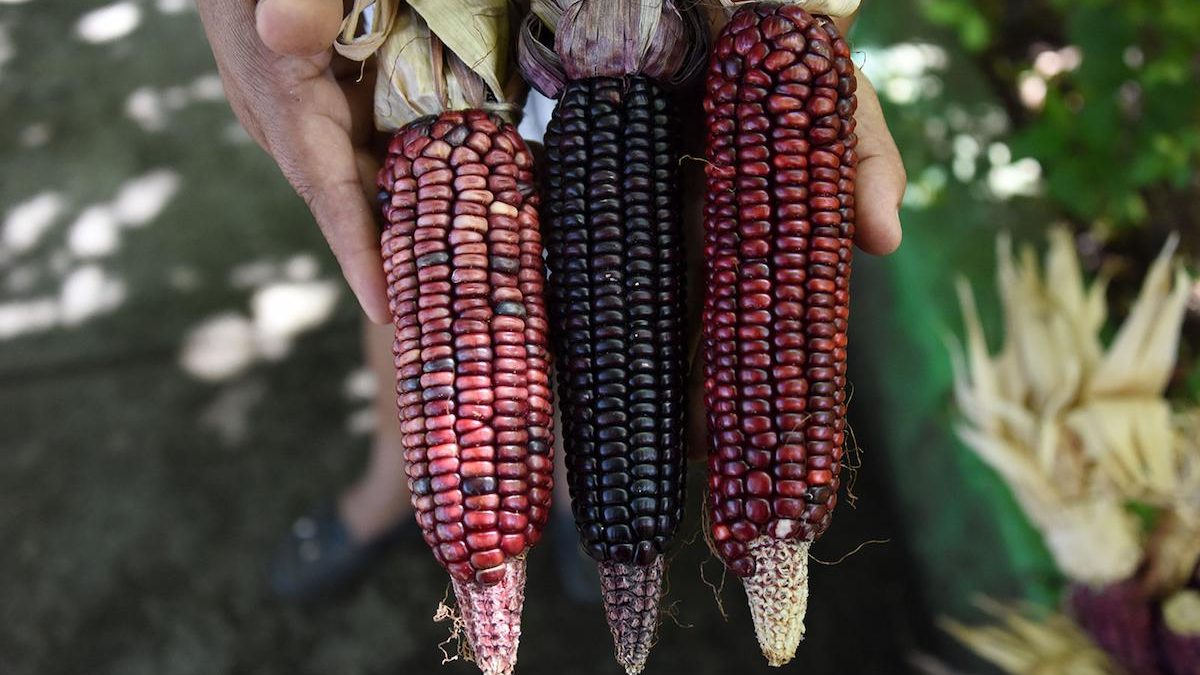
Costa Rica’s Hidden Food Traditions: Markets, Family Restaurants & Regional Flavors.
By Silvanna Pacheco, September 24th, 2026.
Travelers envision Costa Rica as a land of lush cloud forests, active volcanoes, and dramatic coastlines. Yet beneath its famous eco-tourism facade lies a rich culinary landscape waiting to be explored. Book your custom culinary itinerary today and step off the beaten path into our vibrant local markets, ancestral kitchens, and hidden regional sodas.
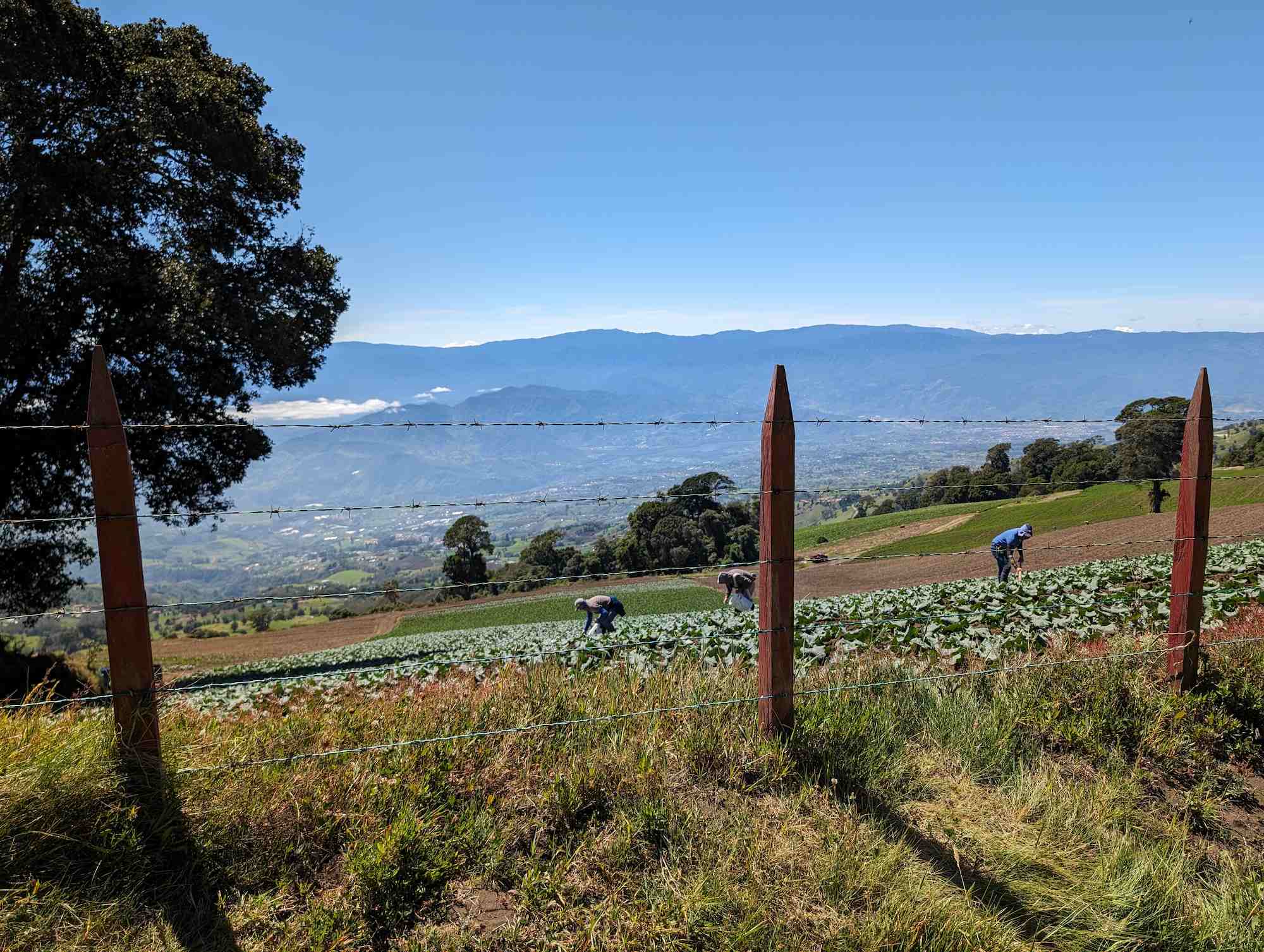
Costa Rican cuisine, also called comida típica, is far more than simple plates of rice and beans. It is a story told through heirloom white and purple corn, simmered coconut milk, aromatic root vegetables, and age-old cooking traditions passed down through generations. Beyond tourist-oriented restaurants, lies an authentic, regional food scene in the municipal markets, rural roadside sodas, and family-run kitchens.
Exploring Costa Rica’s hidden food traditions offers a path toward understanding its regional identities, history, and agricultural heritage.
Guanacaste: The Corn Culture & Sabanero Traditions
To understand the culinary soul of Costa Rica’s northwest province, look to el maíz (corn) and the cattle-ranching culture of the sabanero (cowboy). Guanacaste food essentials revolve around base grains like pujagua (purple) and heirloom white corn, cooked using wood-fired clay comales and slow-simmering methods to achieve earthy, toasted flavors paired with salty artisanal cheeses.
Some of the most popular dishes are chorreadas, a sweet, thick corn pancake made from freshly ground corn, cooked until slightly caramelized and served with a dollop of sour cream (natilla) and tamal asado, a dense, baked sweet cake made from cornmeal, cheese, sour cream, and sugar, featuring a dark, caramelized top crust.
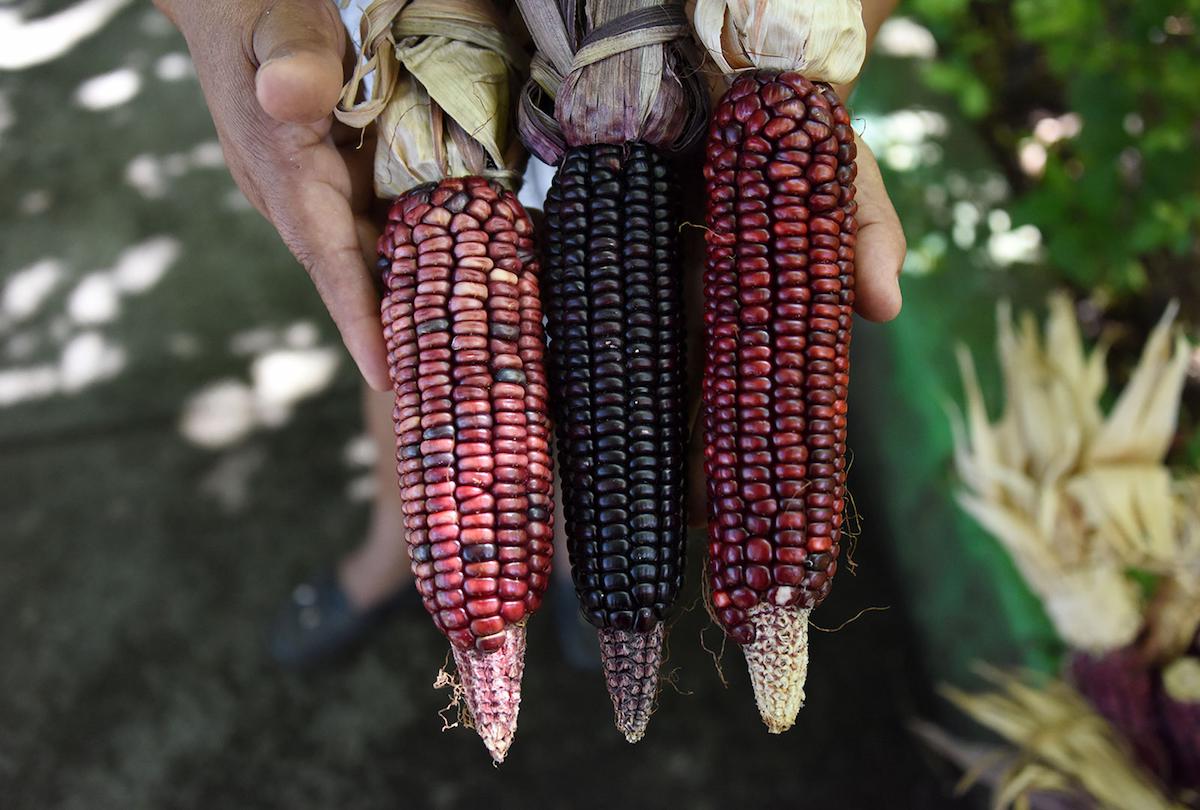
Caribbean Influences: Coconut, Spices & Afro-Costa Rican Heritage
Heading to Puerto Viejo, Limón the landscape transforms the flavor profile entirely. Settled primarily by Afro-Caribbean immigrants—largely from Jamaica in the late 19th century—the Caribbean coast features a distinct culinary identity driven by coconut oil, habanero peppers (chile panameño), and allspice. Unlike the Central Valley’s traditional gallo pinto, rice and beans is slowly simmered in fresh coconut milk with thyme and habanero peppers. Another regional treat is pati, a flaky, turmeric-dyed pastry stuffed with spicy, seasoned ground beef and scotch bonnet peppers.
Seafood lovers shouldn’t miss rondón, a rich, thick stew of fresh fish, crab, or lobster simmered with yucca and green plantains in a spiced coconut broth. To wash it all down, grab a glass of agua de sapo, a surprisingly refreshing drink made with cold water, melted unrefined cane sugar (tapa de dulce), fresh lime juice, and grated ginger.
Central Valley Traditions: Hearty Comfort & Highland Crops
Costa Rica’s Central Valley, home to San José, Alajuela, Heredia, and Cartago, is defined by temperate weather, volcanic soil, and agricultural abundance. Here, food is hearty, comforting, and designed to sustain farmers and highland workers through cool mountain mornings.
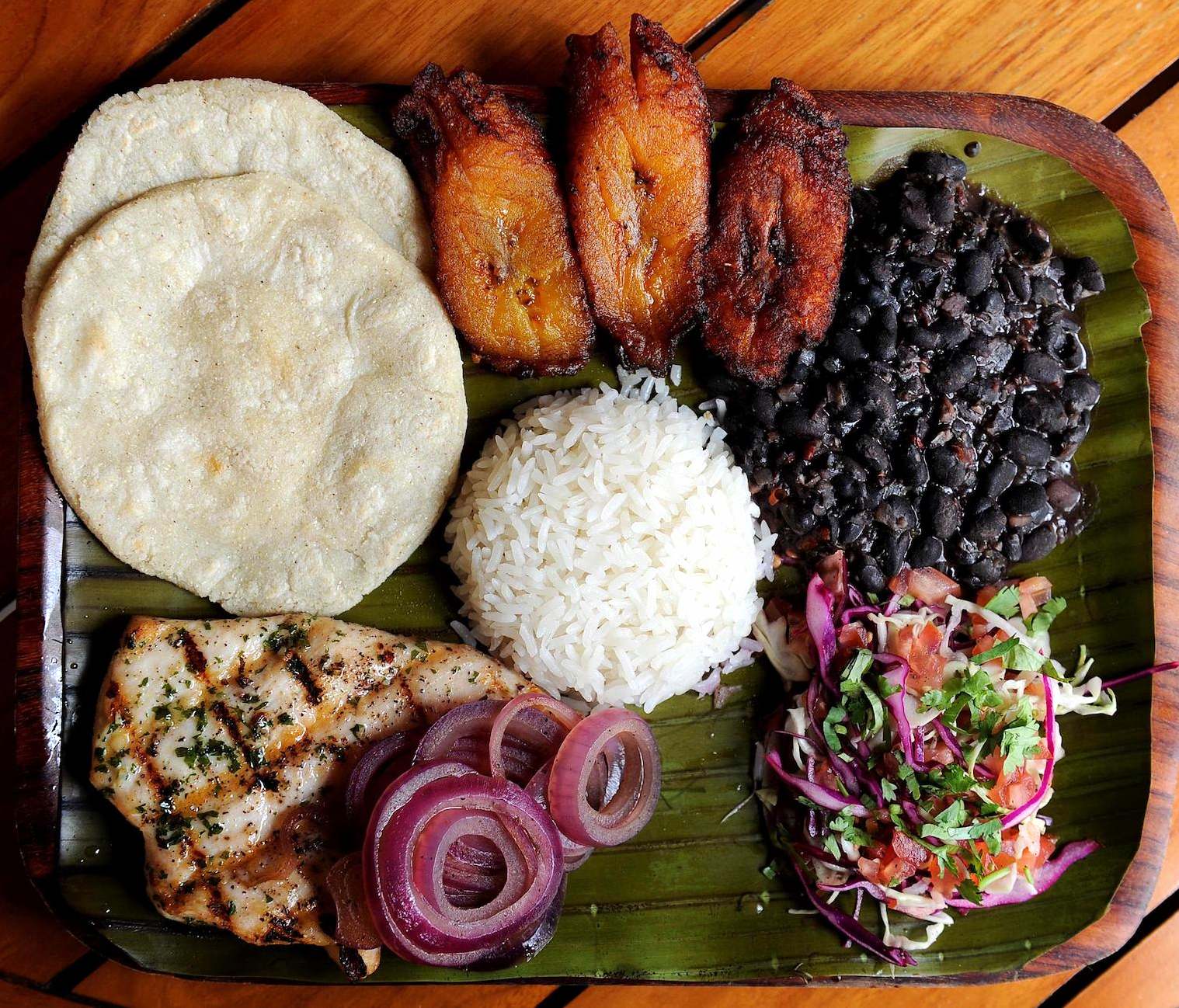
Days typically begin with a classic breakfast of gallo pinto, sour cream (natilla), and sweet fried plantains. Lunch brings the essential casado, a generous plate of rice, beans, salad, a protein, and a side of picadillo, while chilly mountain evenings are enjoyed with a hot bowl of olla de carne.
Other regional favorites include picadillos, a savory dish of finely diced vegetables like chayote, papa or earthy arracache root lightly seasoned with minced beef or pork. Equally iconic is pejibaye, the fruit of the peach palm tree boiled in a savory, salted broth with pork bones and served warm with a touch of mayonnaise. It is a cherished pre-Columbian tradition that remains universally loved across Costa Rica.
To truly understand how Costa Ricans cook and eat, visit the historic Mercados Municipales. These markets serve as community hubs filled with produce stalls, spice vendors, and historic eateries. Learn more about the San José Central Market on our blog: “A taste of tradition”
When you visit a Soda, a small local dining spot, you will experience the backbone of everyday tico culture. Usually run by local matriarchs, these no-frills establishments offer nutritious, home-cooked food at affordable prices. You will find generous casados and fresh refrescos made from tropical fruits like cas, guanábana, and maracuyá. Our local experts can help you sample these dishes at an authentic neighborhood spot.
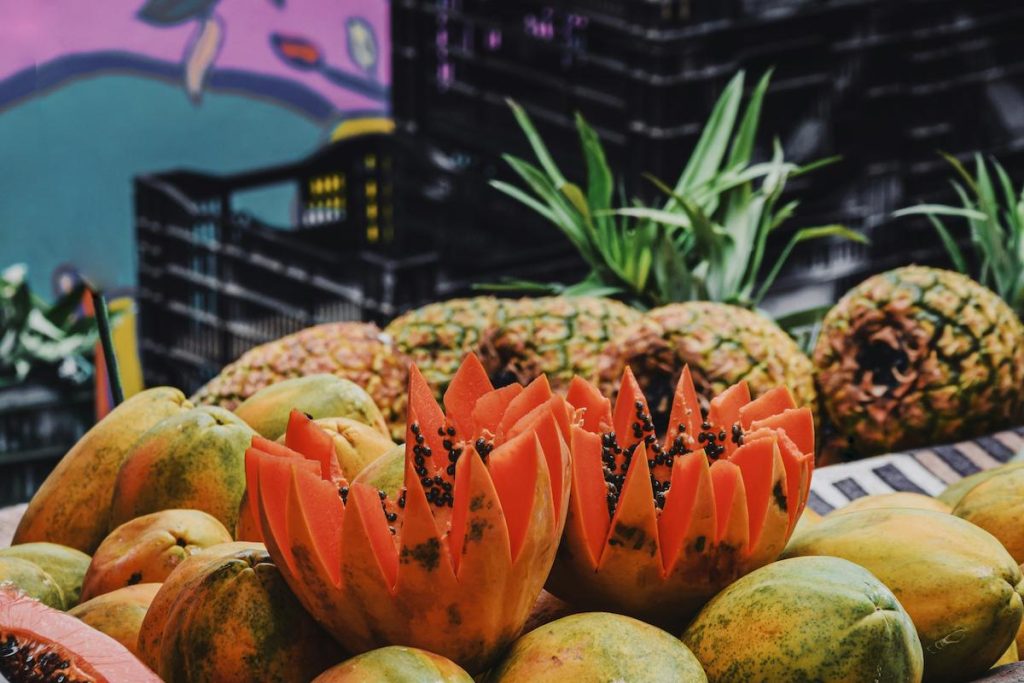
Costa Rica’s culinary scene is undergoing a revolution. Among the new restaurants that are redefining the nation’s gastronomic identity are:
Sikwa in Barrio Escalante, San José operates as an educational research project and gastronomic sanctuary dedicated to preserving Costa Rica’s Indigenous food heritage. Founded by Chef Pablo Bonilla after years of living, researching, and collaborating directly with native communities, including the Bribri, Cabécar, Boruca, and Maleku peoples, Sikwa bypasses conventional supply chains to source directly from small-scale Indigenous farmers. Its menu shines a spotlight on rare, hyper-local ingredients seldom seen in urban dining, such as pujagua (purple corn), arracache, pejibaye (peach palm fruit), tiquisque, wild cacao, and native aromatics like pezote.
Several other standouts are shaping this modern culinary renaissance:
Restaurante Silvestre in Barrio Amón, San José, offers high-end, contemporary fine dining focused on regional memories. Chef Santiago Fernández Benedetto reinterprets nostalgic comfort foods from the Central Valley, Caribbean, and Pacific coasts into elegant multi-course tasting menus paired with local spirits.
Isolina in Barrio Escalante, San José operates out of a charming neo-colonial house. They deliver a seasonal, market-driven farm-to-table experience. Like Sikwa, they are obsessed with micro-producers and forgotten ingredients, crafting an ever-evolving menu guided entirely by the weekly harvests of small organic farmers and artisanal fishermen.
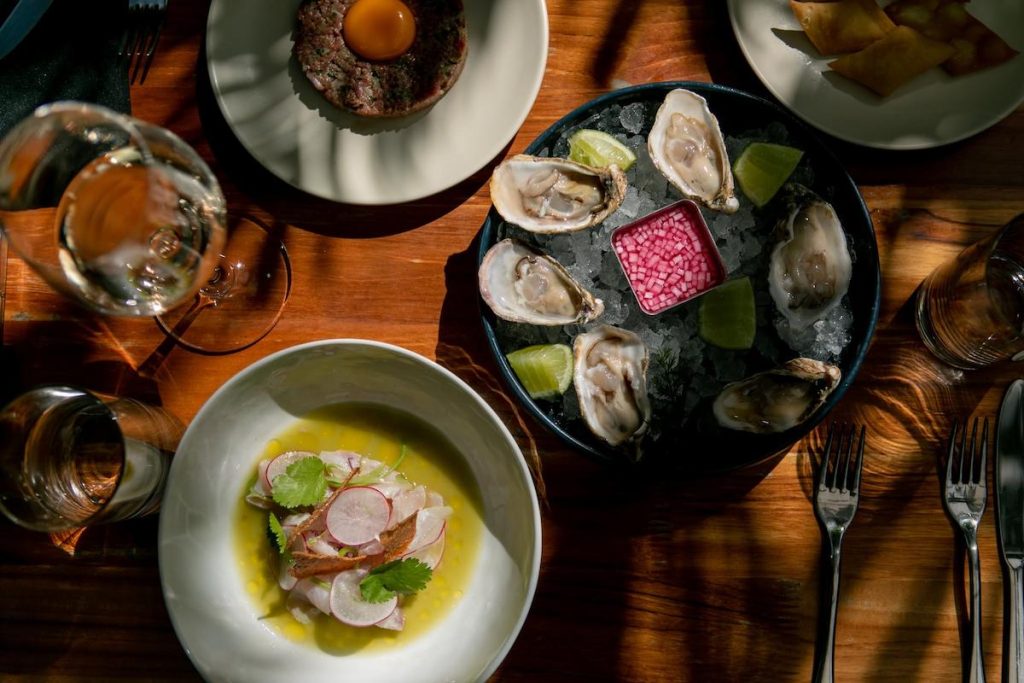
Integrating food experiences alongside your travel route elevates standard sightseeing into a deeply immersive cultural journey, mapping the country’s rich heritage through its distinct regional flavors. A custom itinerary could begin at the Central Valley for coffee and markets, then mover west to Guanacaste for corn and rancher culture or east toward the Caribbean coast for coconut and seafood specialties.
Days 1–3: Start in San José or the Central Highlands. Combine a private architectural walking tour with a visit to the San José Central Market. Visit a small-scale, organic coffee farm in Naranjo or Poás to learn about coffee production directly from third-generation growers.
Days 4–6: Head to the Nicoya Peninsula, one of the world’s rare “Blue Zones” known for exceptional longevity and stay at Nosara beach. Schedule a hands-on tortilla-making workshop on a family ranch, learning how to cook over a traditional wood-burning stove using heirloom corn.
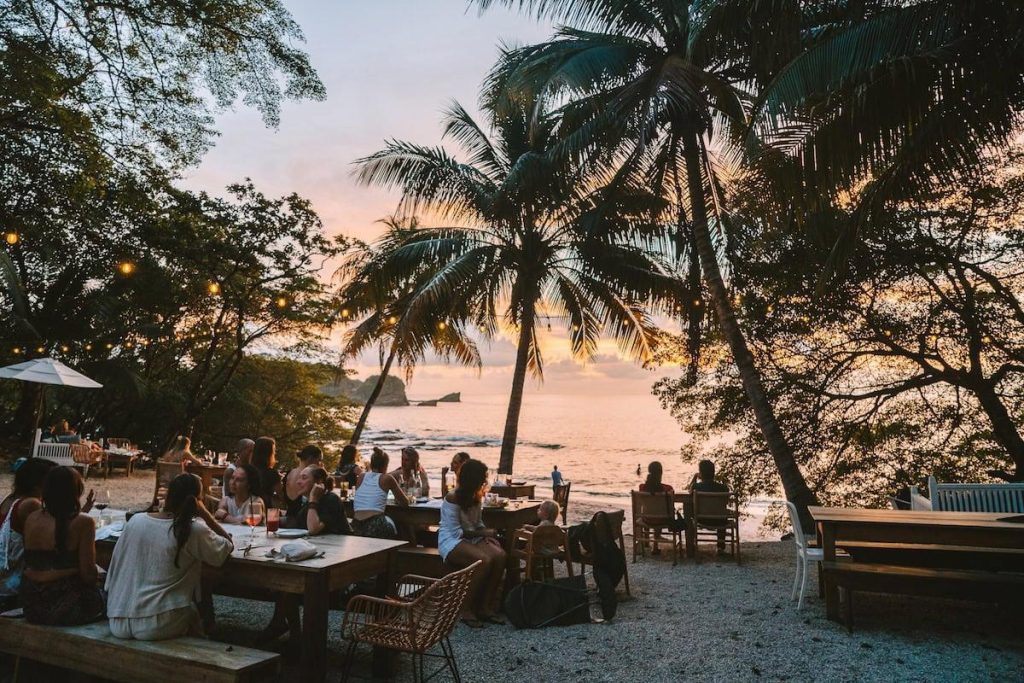
Days 7–11: Take a relaxed route back east through towns like Sarapiquí toward Limón and Puerto Viejo. Prepare fresh Rondón stew and hand-pressed coconut milk during a private cooking class with an Afro-Costa Rican chef, then visit an organic cacao plantation to discover centuries of indigenous Bribri culinary and spiritual traditions.
By structuring a journey around regional food traditions, travelers discover that Costa Rica’s true magic lies not only in its natural beauty, but also in the warmth of its people and the rich, authentic flavors served at every table. Get in touch to start planning your culinary adventure!