
Costa Rica’s Most Active Volcanoes: Where to Experience Raw Nature Safely
By Silvanna Pacheco, April 23rd, 2026
Costa Rica is defined by a dramatic topography of volcanic peaks, providing a front-row seat to the living history still forging the Americas. But what does it actually mean for a volcano to be “active”? In geological terms, an active volcano is one that has erupted in the last 10,000 years and is expected to erupt again. In Costa Rica, this activity ranges from the gentle puff of sulfuric steam to the occasional rhythmic rumble of shifting tectonic plates. Plan with our experts and witness the power of Costa Rican volcanoes for yourself.
Arenal Volcano: The Sleeping Giant
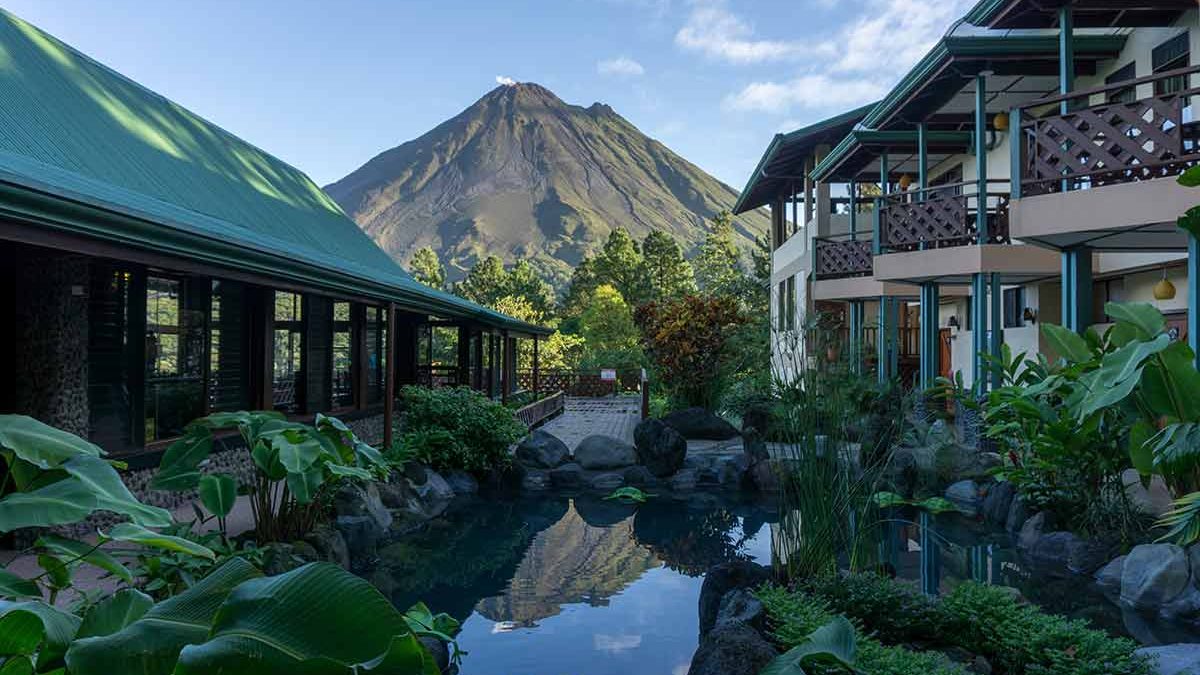
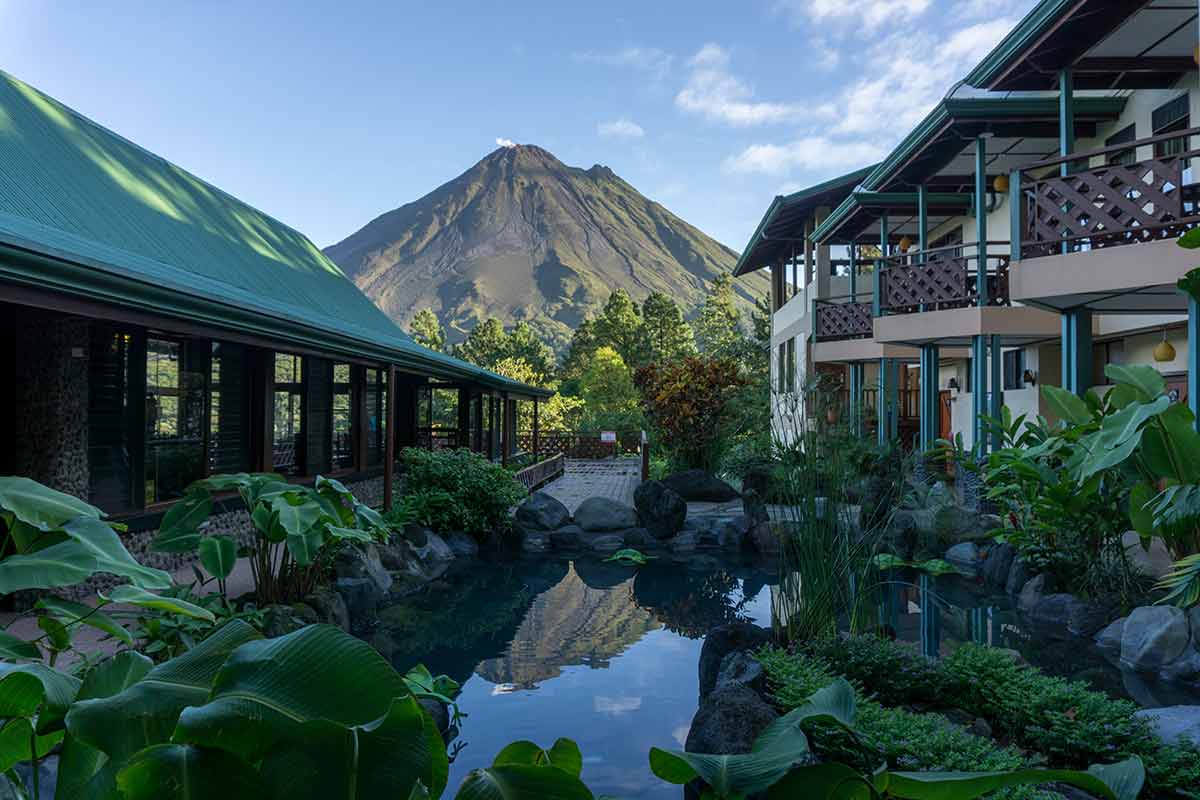
Arenal was once world-famous for its nightly displays of glowing lava, but the volcano transitioned into a “resting phase” in 2010. However, its tranquil silhouette is deceptive, as the mountain remains a highly active system. Beneath its iconic, symmetrical cone, the earth continues to pulse with consistent seismic activity, internal tremors, and persistent gas emissions.
For travelers, this shift from “eruptive” to “dormant” has transformed the experience. Rather than watching from a distance, visitors can now explore the area hiking across the massive rock formations.Hiking Arenal Volcano is the quintessential Costa Rican adventure. You won’t hike up the volcano since it is illegal a nd dangerous, but you will go around its base through primary rainforest and historic lava fields. The Arenal National Park is the most popular choice and offers a well-rounded mix of geology and forest. Las Coladas (the 1968 Lava Trail) is the must-do trail, a moderate 2km hike that takes you directly across the hardened black lava from the famous 1968 eruption. It offers the most “classic” views of the volcanic cone.
The Arenal Observatory Lodge, originally a Smithsonian research station, has the only trails located within the high-risk zone (but still safely on the perimeter). The trails are exceptionally maintained and offer a private waterfall and a hanging bridge. Because it’s further from the main road, it feels much more exclusive.
Arenal’s volcanic heat has traded spectacular lava flows for a more restorative purpose. By fueling the region’s vast geothermal aquifers, the volcano has created a world-class sanctuary of natural hot springs. Arenal area is the ultimate destination to soak in mineral-rich waters and create a connection between the Earth’s power and a tranquil rainforest retreat.
Poás Volcano: The Turquoise Eye
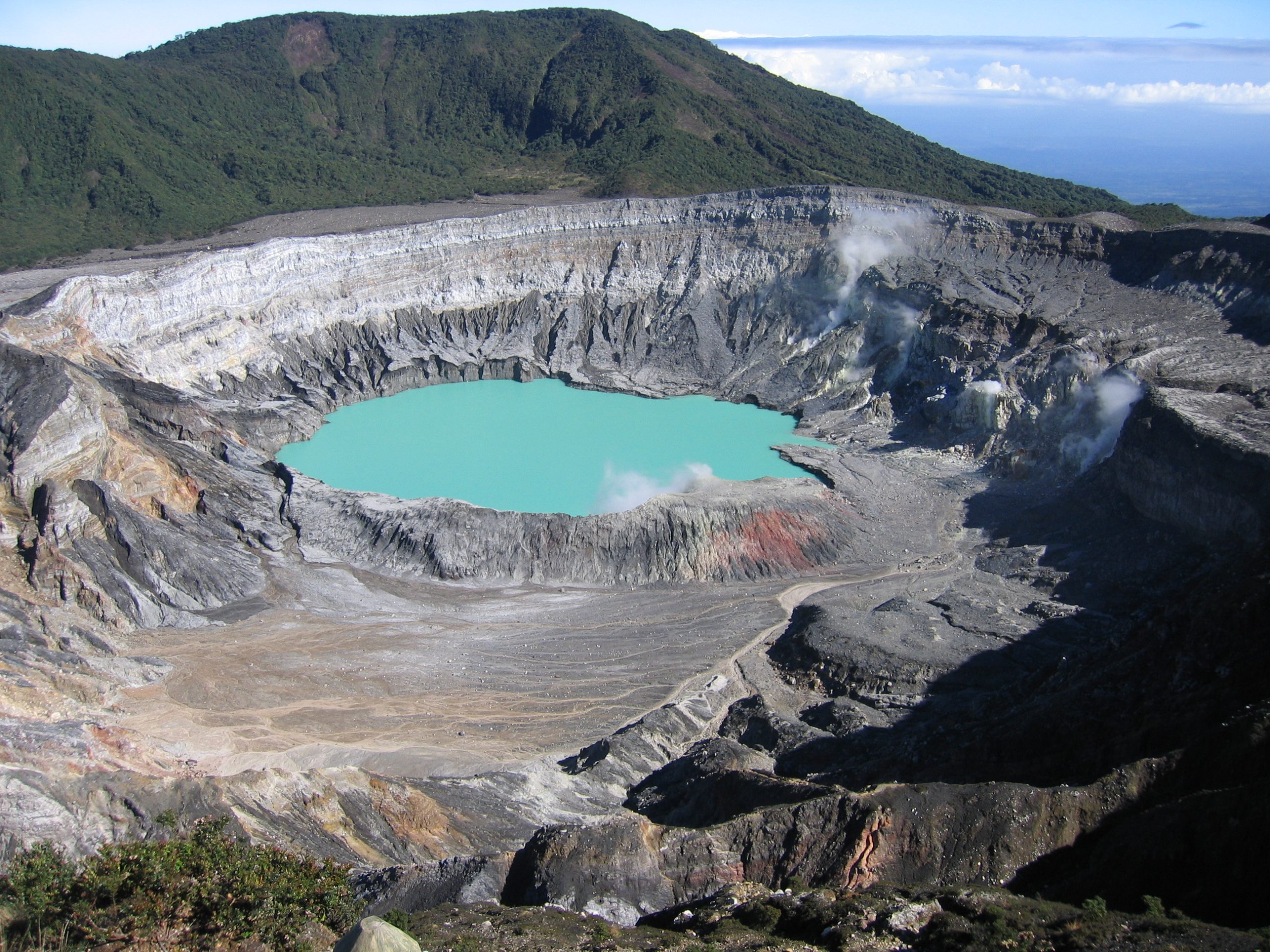
Standing at an impressive elevation of 2,708 meters, visitors find themselves on the edge of one of the world’s largest active craters, nearly 1.5 kilometers wide and 300 meters deep. Poás Volcano is located in the province of Alajuela only 1 hour away from the Juan Santamaria International Airport. The centerpiece of this lunar-like landscape is Laguna Caliente, a hyper-acidic lake famous for its striking turquoise hue, created by rainwater dissolving sulfur and minerals from the volcanic rock.
The experience at Poás is as much about the atmosphere as it is the view. Because of the constant geological activity, visitors are treated to a sensory “masterclass” in volcanology. You’ll likely witness geyser-like explosions of steam and water all while the scent of sulfur hangs in the air. This active environment means safety is a top priority. Poás is one of the most closely monitored volcanoes in Latin America. Upon entry, every visitor is issued a safety helmet, and observation time at the crater rim is typically limited to 20-minute windows to prevent overexposure to volcanic gases.
Beyond the bubbling intensity of the main crater lies the Botos Lagoon. A short hike through the park leads you to this second, extinct crater, which has long since traded fire for forest. Unlike the acidic, steaming waters of Laguna Caliente, Botos is a cold, crystal-clear sanctuary. Surrounded by lush, high-altitude vegetation, it serves as a peaceful haven for rare bird species and offers a quiet moment of reflection away from the giant next door.
Rincon de la Vieja: The Earth’s Living Laboratory
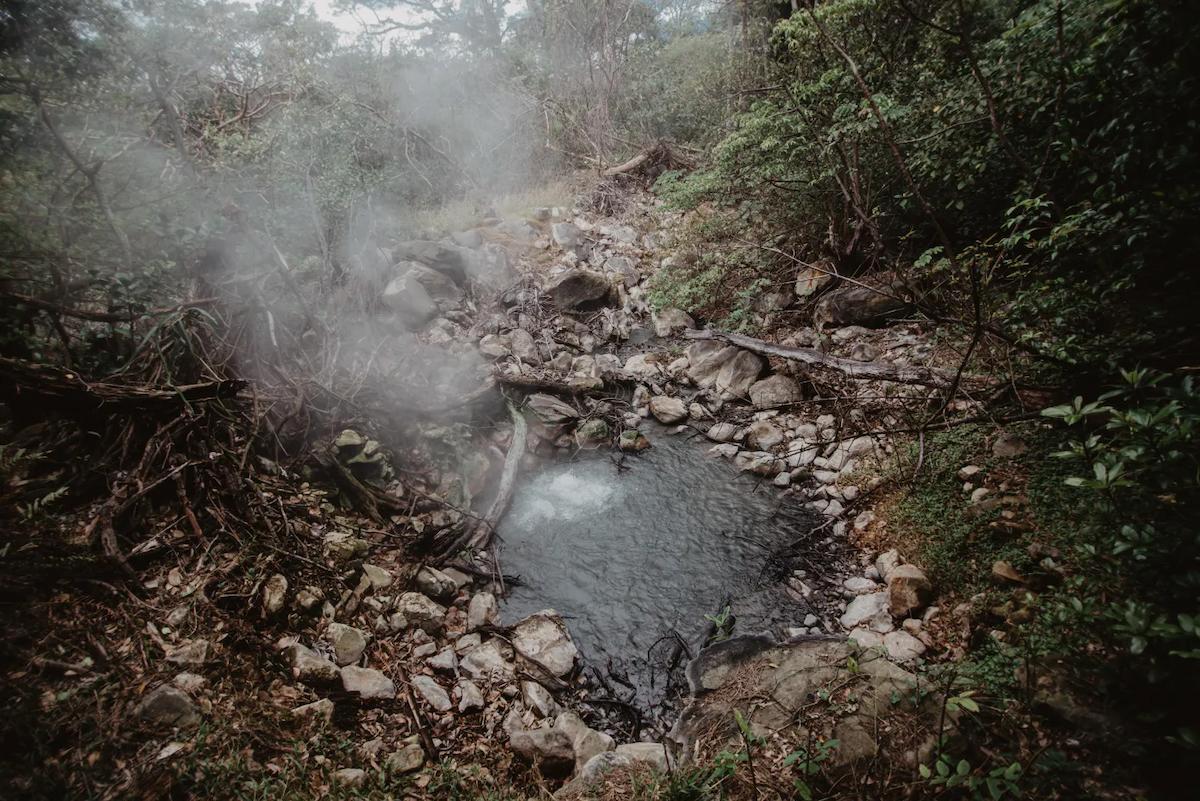
Deep in the heart of Guanacaste, the Rincón de la Vieja volcano serves as a dynamic centerpiece to experience nature and adventure. Las Pailas sector is a popular 3.5-kilometer loop that transitions from lush tropical canopy to stark, sun-drenched volcanic flats. Along the way you can experience bubbling mud pots and steaming fumaroles.
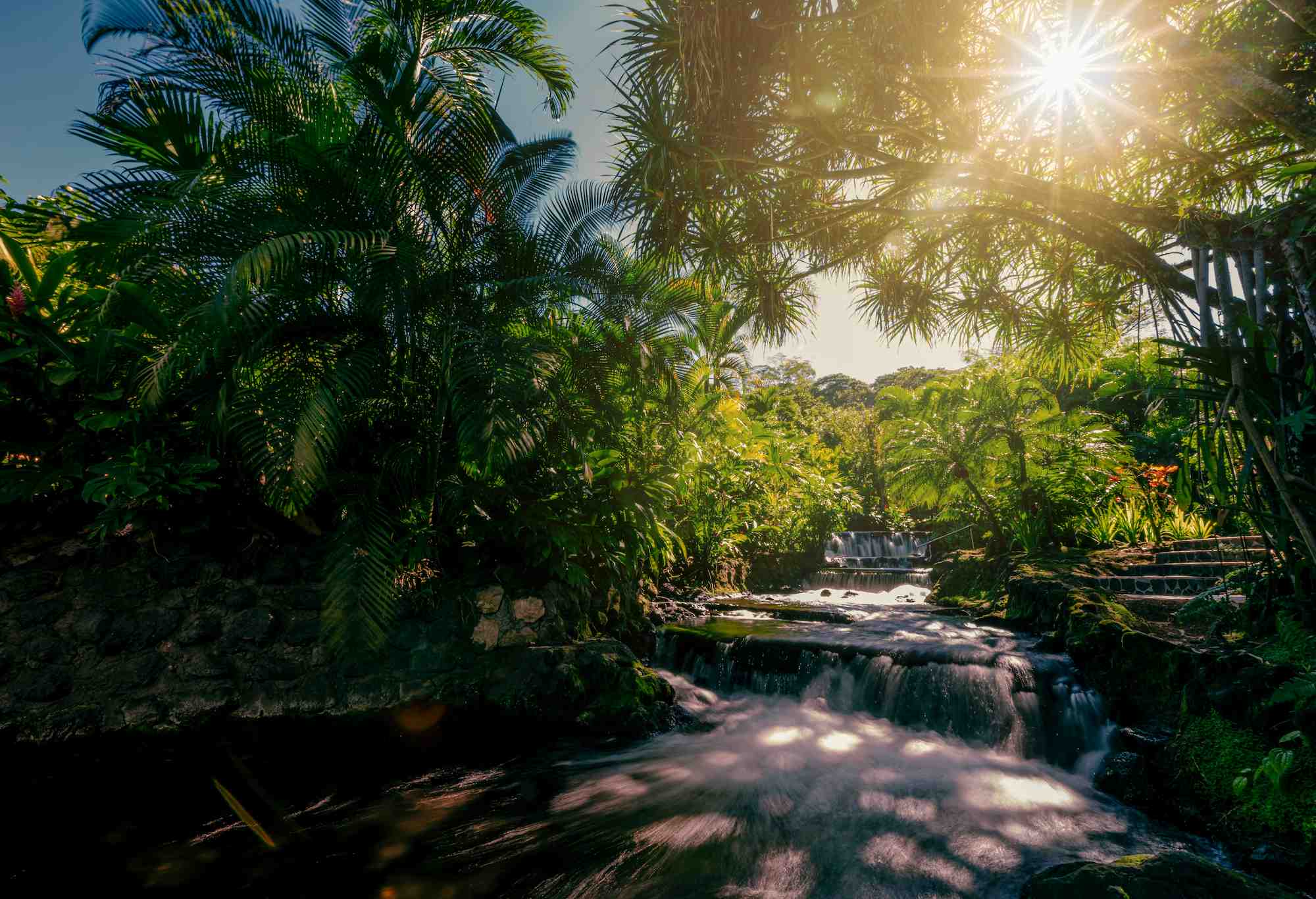
The adventure seamlessly shifts from exploration to restoration as you head toward the Rio Negro Hot Springs. Here, the volcano’s thermal energy is harnessed into tiered, mineral-rich pools nestled along the riverbank, where visitors partake in a traditional wellness ritual: coating the skin in warm volcanic mud before a refreshing river plunge and a final thermal soak.
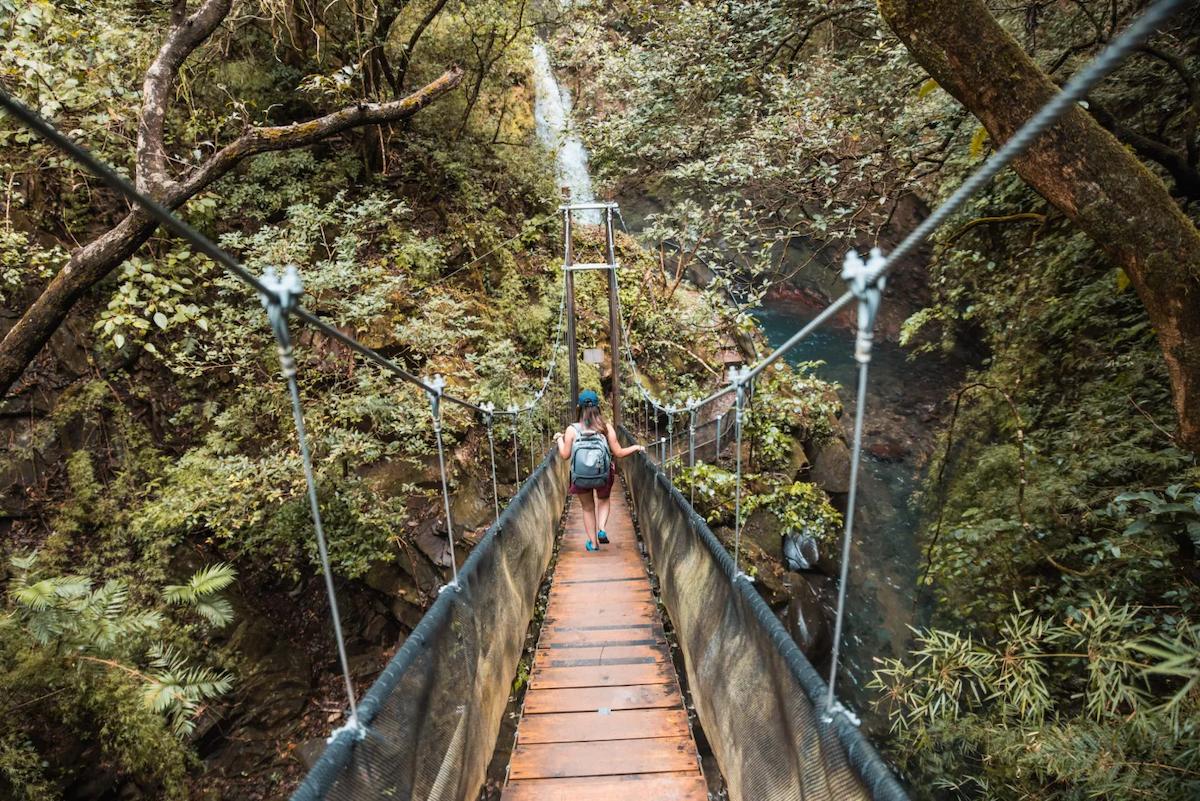
For those seeking a more secluded escape, the nearby Oropéndola Waterfall provides a stunning visual reward, plummeting 25 meters into a vivid turquoise basin. Framed by a volcanic rock canyon and reached via a picturesque hanging bridge, it offers a cool, serene sanctuary that feels worlds away from the hissing heat of the nearby vents. We’ll help you design your volcano adventure to balance perfectly adrenaline-fueled adventures with the relaxing therapeutical hot springs.
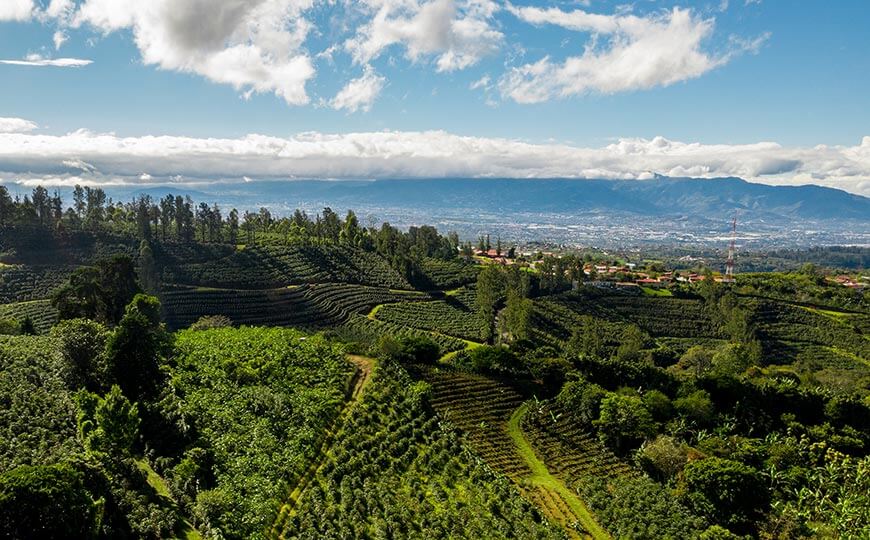 Volcanoes & Coffee Trails Package
This 10-day adventure begins with a tranquil retreat in Alajuela for a visit to the Poas Volcano, a coffee plantation, and La Paz Waterfall Gardens. Continues to La Fortuna, before heading to the vibrant surf town of Tamarindo and the hot springs of Rincon de la Vieja National Park.
Turrialba Volcano: The Wild Frontier
Located east of the Central Valley in the Cartago Province, Turrialba Volcano spent much of the last decade asserting its power. After years of restricted access, it has recently reopened its gates, offering a deeply immersive experience for travelers who prefer the path less traveled. Unlike its more manicured neighbors, Turrialba feels raw. Its approach takes you through high-altitude dairy farms and lush pastures that suddenly give way to an ash-covered landscape that feels more like the surface of the moon than the tropics. The vegetation near the summit has been “scorched” by years of volcanic activity, creating a silver-grey forest of skeletal trees that stand in haunting contrast to the vibrant green valleys below.
The town of Turrialba itself serves as a gateway for adventurers, known for its world-class white-water rafting on the Pacuare River and its famous artisanal cheese. Visiting the Turrialba volcano allows you to see the direct effect of geology on local culture; the mineral-rich volcanic soil is exactly what makes the surrounding pastures so fertile for the cattle that produce the region’s renowned dairy.
Pairing volcanoes in your itinerary is incredibly easy, as they offer convenient access from the main airports. To give you some examples:
Itinerary 1. Start in San José to immerse yourself in the local culture, visiting landmarks like the Pre-Columbian Gold Museum to see how ancient indigenous groups revered volcanic materials. The following day, head to Poás Volcano to spend the morning at the crater, stopping for a local lunch and coffee along the way while admiring the stunning views of the valley
Itinerary 2. Experience the perfect contrast of fire and water. Start by soaking in the world-class thermal pools of Arenal before heading northwest to wash off the volcanic dust with a few days of sun and surf on the pristine beaches of the North Pacific.
Ready to see these peaks in person? Start your expedition today and let us curate a personalized trek through Costa Rica’s most iconic volcanic landscapes.