
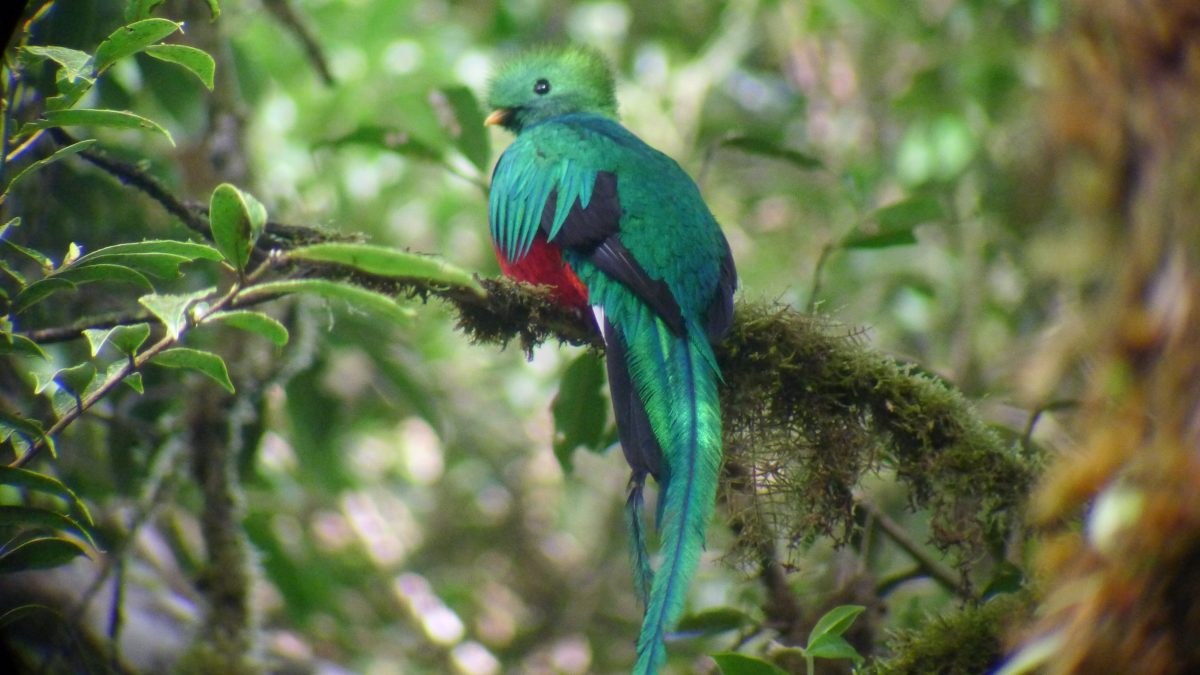
Bird Species in Costa Rica: Where to See the Most in 10 Days.
By Silvanna Pacheco, May 6th, 2026.
May marks the beginning of the Green Season in Costa Rica. With over 900 bird species in Costa Rica to discover, a 10-day journey allows enthusiasts to witness dramatic shifts in plumage and behavior while transitioning through diverse cloud forests, dry lowlands, and humid jungles. Use this guide to explore the ultimate birding hotspots and link them into one unforgettable, sustainable journey. Let our travel experts craft the perfect birding tour for you!
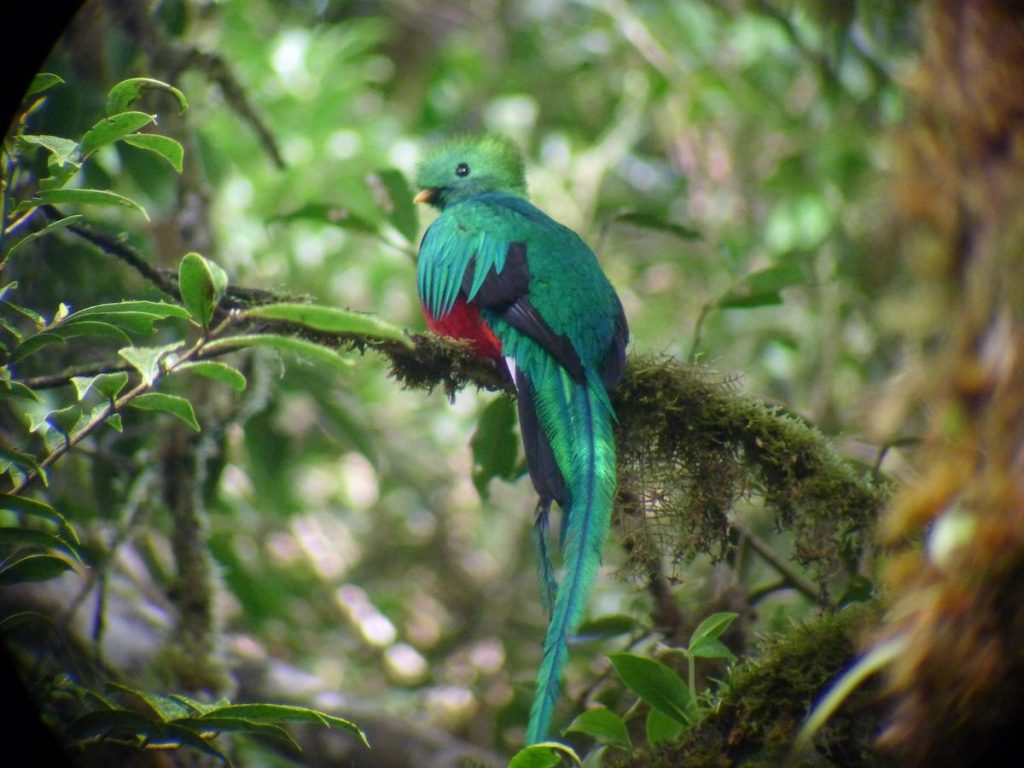
While you can find incredible sightings year-round, the “best time” for birdwatching in Costa Rica depends on whether you are chasing specific birds or looking for the most comfortable weather.
The Dry Season, from January to April is widely considered the prime window for birding in Costa Rica. Resident birds are in their peak breeding season, meaning they are highly vocal and display their most vibrant plumage. This is the most reliable time to see the Resplendent Quetzal in the cloud forests of Monteverde and San Gerardo de Dota. The weather is predictable and dry, making forest trails easier to navigate.
The Green Season goes from May to June and the landscape is transformed into a vibrant, deep green. Many bird lovers prefer this time because the season brings a second surge of activity. The arrival of rain often triggers nesting for certain species, and the forests are less crowded with tourists. You should expect afternoon showers, but the mornings remain clear.
If you are interested in raptors and shorebirds, September, October and November are great months to visit. Costa Rica serves as a massive funnel for millions of birds migrating from North to South America. The Caribbean coast near Puerto Viejo and Cahuita becomes a highway for Broad-winged Hawks, Swainson’s Hawks, and Peregrine Falcons. On peak days, you can see tens of thousands of raptors passing overhead in a single afternoon. This is the rainiest time for the Pacific side, but ironically, it is often the “veranillo” for the Caribbean coast, offering beautiful weather.
 Birdwatching Wonderland Package
Designed for nature enthusiasts and avid birdwatchers alike, this 10-day journey offers a serene immersion into the wild. Experience the rhythmic pace of the tropics as you observe a breathtaking array of exotic species across Costa Rica’s most vibrant ecosystems.
Here are some of the top destinations to visit in Costa Rica if you want to see birds:
Monteverde Cloud Forest
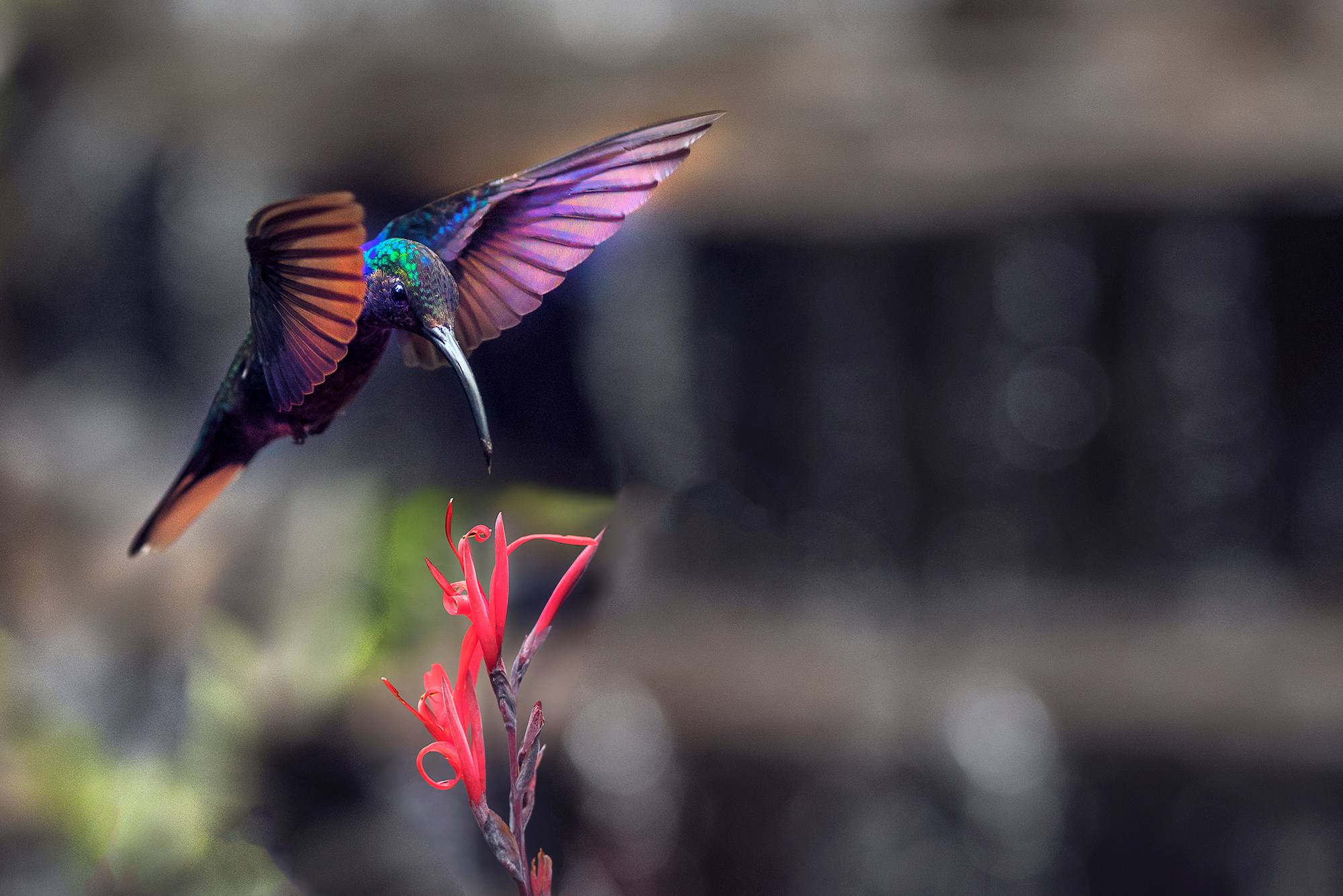
Monteverde provides a sanctuary for over 400 bird species including the Resplendent Quetzal and the Three wattled Bellbird. It is a premier destination for birdwatching lovers. To maximize your sightings while supporting local conservation, explore the Monteverde Cloud Forest or Curi-Cancha which are ideal for spotting diverse hummingbirds and toucans. The best time to go birdwatching is always early morning and accompanied by a professional tour guide which will help you identify species and locate shy birds. Keep your ears open for the metallic “bonk” of the Three-wattled Bellbird, and watch for the Northern Emerald-Toucanet.
Sarapiquí Rainforest
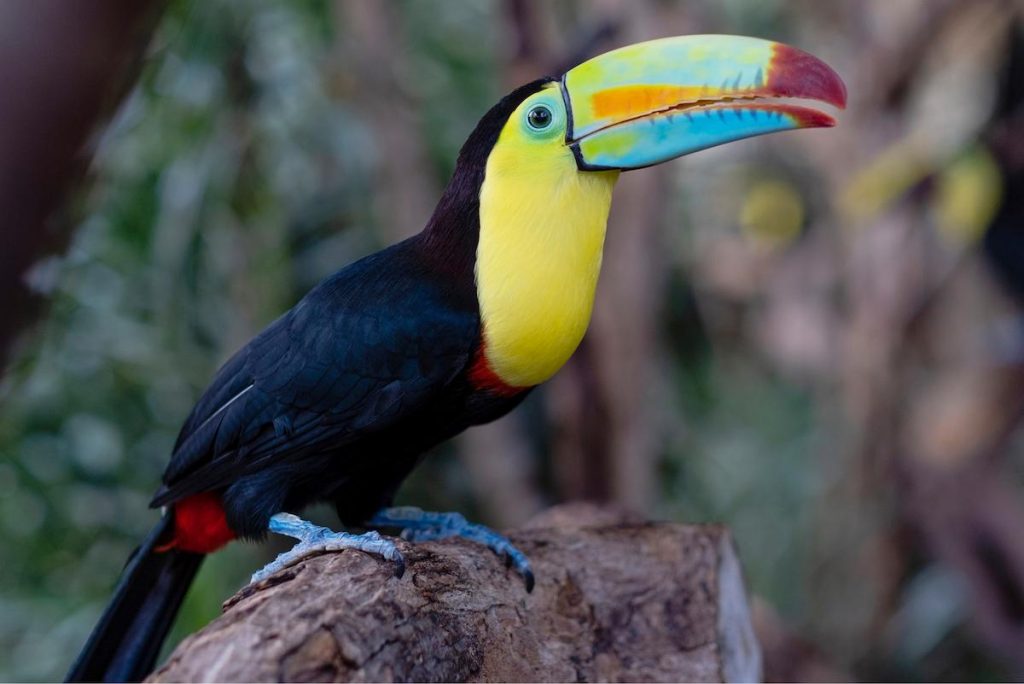
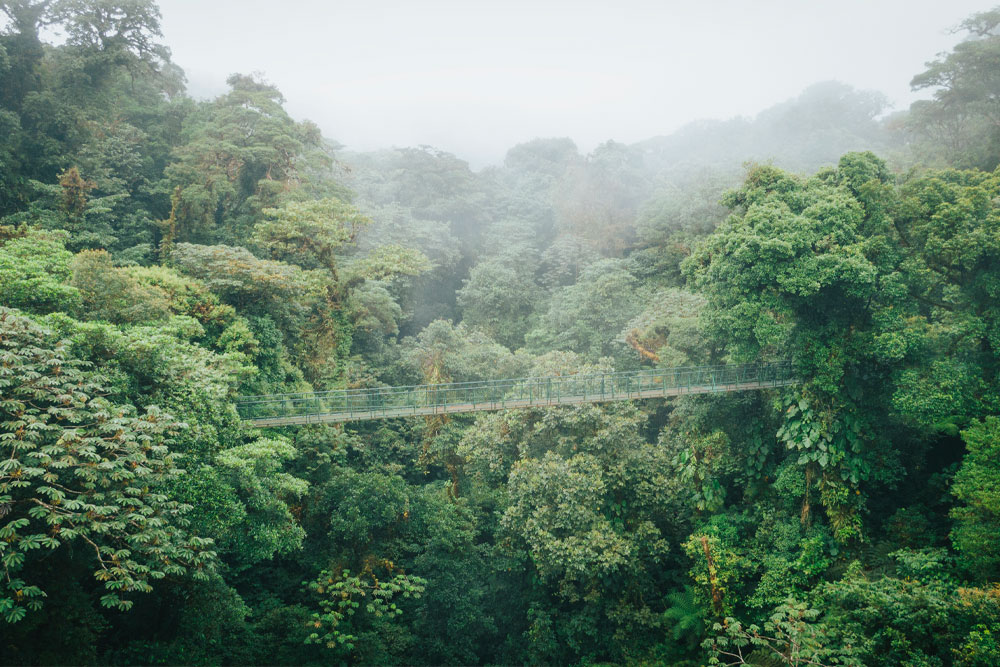
Sarapiquí is a cornerstone of Costa Rican eco-tourism, serving as a critical biological corridor. The region’s dense rainforests and rivers are home to over 500 species, including the endangered Great Green Macaw and the iconic Keel-billed Toucan. La Selva Biological Station, a world-renowned research site, offers access to primary forest species via well-maintained suspension bridges. Similarly, the Tirimbina Biological Reserve provides a fantastic opportunity to spot forest-dwellers and river-edge birds while crossing one of the region’s longest canopy bridges.
Carara National Park
Carara is located on the Central Pacific coast, just north of Jaco. It is a unique transition zone where the northern dry forests meet the southern humid rainforests. This ecological overlap allows you to see species from two distinct ecosystems in a single morning. It is a stronghold for the Scarlet Macaw, the Orange-collared Manakin (famous for its “moonwalk” mating dance), and the elegant Turquoise-browed Motmot. The park’s trails provide easy access to the best birdwatching spots, and visitors can also hire local guides to help them spot the birds.
Osa Peninsula
For those seeking the “Big Three” (Macaws, Toucans, and Trogons) in their most pristine habitat, the Osa Peninsula is unmatched. Corcovado National Park is a premier destination with over 450 species, including Scarlet Macaw, the Great Green Macaw, the Long-tailed Manakin, the Red-capped Manakin, and the Collared Aracari. There are also numerous wading birds in the park, including herons, egrets, storks, and ibises. As the park is located in a tropical rainforest, the abundance of food and vegetation provides a perfect habitat for these species. From the wild shores of Drake Bay to the trails of El Tigre, this region offers a glimpse into Costa Rica’s most biologically intense wilderness.

Guanacaste Region
Birding in Guanacaste offers a unique opportunity to explore the tropical dry forest ecosystem. The open canopy provides high visibility for spotting the Jabiru stork, White-throated Magpie-Jay, and the Long-tailed Manakin. Top eco-tourism spots include Palo Verde National Park, the volcanic slopes of Rincón de la Vieja, and the protected forests of the Papagayo Peninsula. A tailored travel plan, complete with the most exceptional lodging in each area, can be designed for your visit.
When planning a birdwatching itinerary for Costa Rica, the most successful trips prioritize your time in nature by minimizing hours on the road. Because Costa Rica is divided by a central mountain range and influenced by two different oceans, you can encounter entirely different species just by driving two hours over a ridge.
Here is how we approach planning a 10 day unforgettable birding adventure in Costa Rica:
Day 1-2: Sarapiquí – Begin at La Selva Biological Station to spot the Great Green Macaw and the Snowy Cotinga. In the afternoon, enjoy a low-impact boat safari on the Sarapiquí River offering diverse wildlife such as monkeys, sloths, iguanas, toucans, caimans and river turtles.
Day 3-4: Ascend to Monteverde to find the Resplendent Quetzal. Wander the trails to hear the Three-wattled Bellbird and visit the hummingbird galleries for an intimate look at the region’s high-altitude endemics.
Day 5-6: Head to the Northern Region in Guanacaste to the Palo Verde National Park. This region provides a sharp contrast to the rainforests, featuring the White-throated Magpie-Jay and Double-striped Thick-knee in the open fields and wetlands.
Day 7-8: Visit Carara National Park to witness the overlap of dry and humid forest species. Spot Scarlet Macaws in the wild before taking a sunset boat tour.
Day 9-10: End your trip at San Gerardo de Dota, located south of San Jose. This town is home to the Resplandecent Quetzal, the Torrent Tyrannulet and the American Dipper. Stay a couple of nights along the Savegre River, a peaceful atmosphere, before returning to San José. Or extend your trip to Osa Peninsula to continue with the adventure.