
Costa Rica Coffee Regions You Can Visit on a Self-Guided Trip
By Silvanna Pacheco, March 4th, 2026
In Costa Rica, the coffee regions are very accessible, offering a mix of volcanic highlands, cloud forests, and local culture. Come and explore with us the best of Costa Rican coffee.
Known as the Grano de Oro, coffee serves as the historical architect of Costa Rican democracy. Small-scale family farming was preferred over centralized estates and this created a foundation for economic stability. The Teatro Nacional de Costa Rica was completed in 1897 and stands as a symbol of the era when coffee wasn’t just a crop, it was the engine of a young nation’s soul.
In Costa Rica coffee is a ritual, like the afternoon “cafecito” which remains the hour for hosting friends and family. Yet, while the ritual is a national constant, the flavor is a regional adventure. Costa Rica strictly grows only Arabica coffee so the differences in flavor are purely a result of where the bean was grown. To truly understand coffee you must look beyond the cup and explore the distinct coffee regions that define its character.
Central Valley
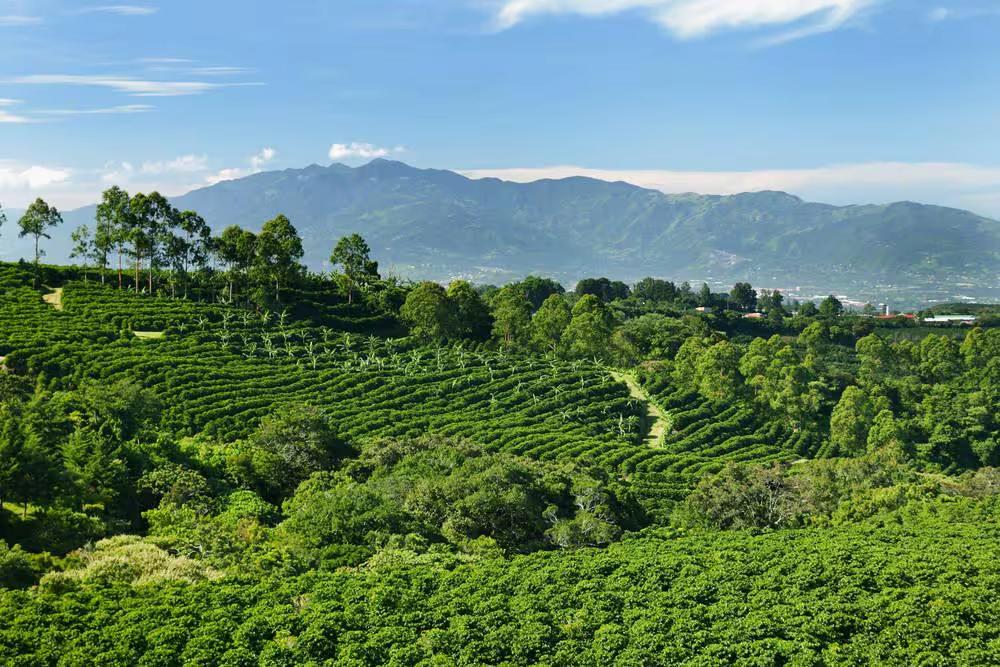
The Central Valley was the first region in the country to begin cultivation in the late 18th century, and it still houses some of the most prestigious and technologically advanced plantations. This region surrounds the capital, San José and is influenced by the Irazú, Barva, and Poás volcanoes offering a balanced cup with hints of honey and chocolate.
Doka Estate is located on the fertile slopes of the Poás Volcano in Alajuela. Operating for over 100 years, it is home to the country’s oldest working wet coffee mill, which is powered by a century-old water mill and was designated as a national architectural heritage site. The estate is known for its Peaberry coffee.
Hacienda Alsacia is Starbucks’ first and only company-operated coffee farm, located on the slopes of the Poás Volcano. With 240 hectares, it serves as the company’s global agronomy headquarters, dedicated to researching disease-resistant coffee varieties and sustainable farming practices. Café Britt, located in Heredia is famous for their classic coffee tour which includes a theatrical presentation on coffee history and a professional “cupping” (tasting) session. Our team will create the perfect route for you to taste the best coffee.
Tarrazú (Los Santos)
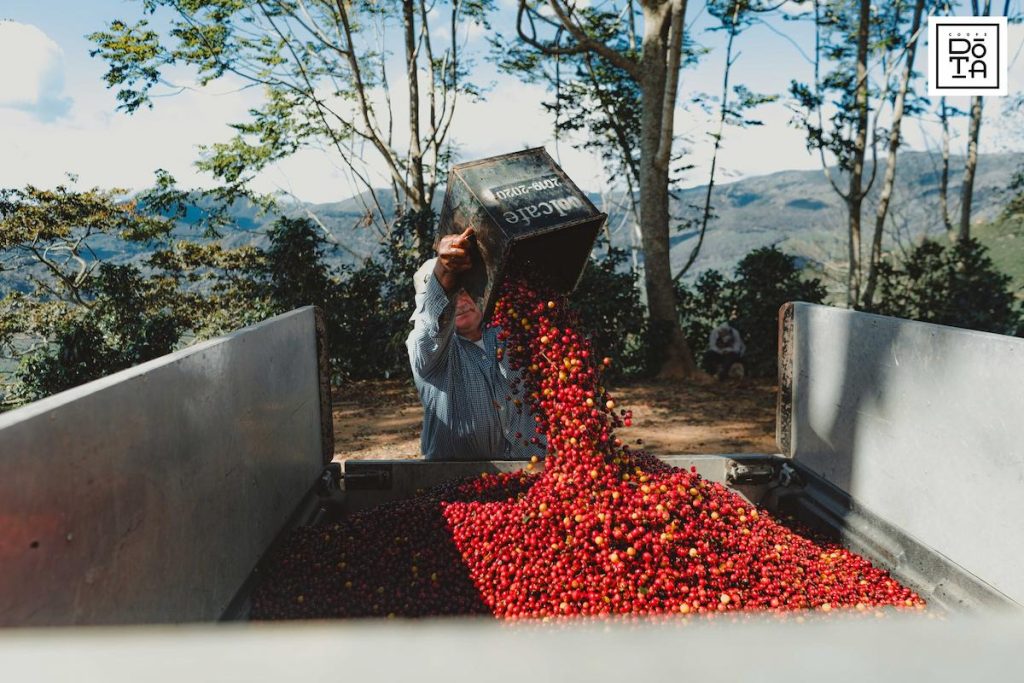
Located about two hours south of San José, Tarrazú is world-renowned for its high-altitude, citrusy, and bright coffee. The winding mountain roads, small-town plazas, and local farmers delivering coffee will give you a better feeling of the Costa Rica coffee scene. Coopedota in Santa María de Dota is one of the world’s first carbon-neutral coffee cooperatives. This region produces roughly 35% of the national harvest.
Monteverde
Monteverde stands out as one of Costa Rica’s most unique coffee origins due to its high-altitude cloud forest climate. The constant mist and cool temperatures slow the ripening process, producing a bean with a sophisticated flavor profile, smooth and earthy with notes of milk chocolate, honey, and citrus. Sustainability is the local standard; pioneers like Café Monteverde and Don Juan Coffee dedicate 50% of their land to forest conservation. Many tours in this region offer a “three-in-one” experience, showcasing the eco-conscious production of coffee, chocolate, and sugarcane side-by-side.
Turrialba
Influenced by the Turrialba Volcano and a distinct Atlantic climate—characterized by warmth and consistent humidity—the region’s coffee offers a smooth, balanced flavor profile with distinct notes of sugarcane and fruit. The area’s crown jewel is the Aquiares Coffee Estate, a historic, Carbon Neutral-certified farm. Their tours are highly regarded for showcasing the seamless integration of large-scale production, community welfare, and environmental stewardship.

Orosi
Orosi, Cartago is defined by its dramatic topography and rich colonial legacy. Located in a high-humidity valley, the region produces a smooth, full-bodied coffee known for its distinct cocoa profile. Visitors to Orosi often pair a tour of a local mill such as Café Cristina, a favorite for its organic focus and detailed bird-watching, with a visit to Costa Rica’s oldest colonial church. This unique combination makes it a premier destination for those seeking both an exceptional cup of coffee and a deep dive into national history. Check our Blog to learn more about a day trip to Cartago Province.
Brunca
The Brunca region, nestled in Costa Rica’s Southern Pacific, is a powerhouse of diverse microclimates. Centered around Coto Brus and Pérez Zeledón, the area produces a wide range of profiles, from soft and mild beans in the lower valleys to sweet, complex citrus flavors at higher elevations. Brunca’s harvest runs from August to February. Café Don Emilio on Pérez Zeledón stands out for travelers staying on the coast (Uvita or Dominical). It is a deeply personal, family-run tour. You aren’t just a spectator; you often participate in the process “from bean to cup” in a traditional Costa Rican way. It requires a 4×4 to reach, which adds a bit of adventure to the coffee story.
Guanacaste
Primarily located on volcanic soils in the highlands of Tilarán and Hojancha, the coffee is grown at lower altitudes than the Central Valley but maintains high quality through intensive shade management. Approximately 85% of the region’s small-scale production is grown under forest canopies to mitigate the heat. The resulting profile is exceptionally balanced and soft, featuring a full body, mild acidity, and distinct nutty notes.
 Volcanoes & Coffee Trails
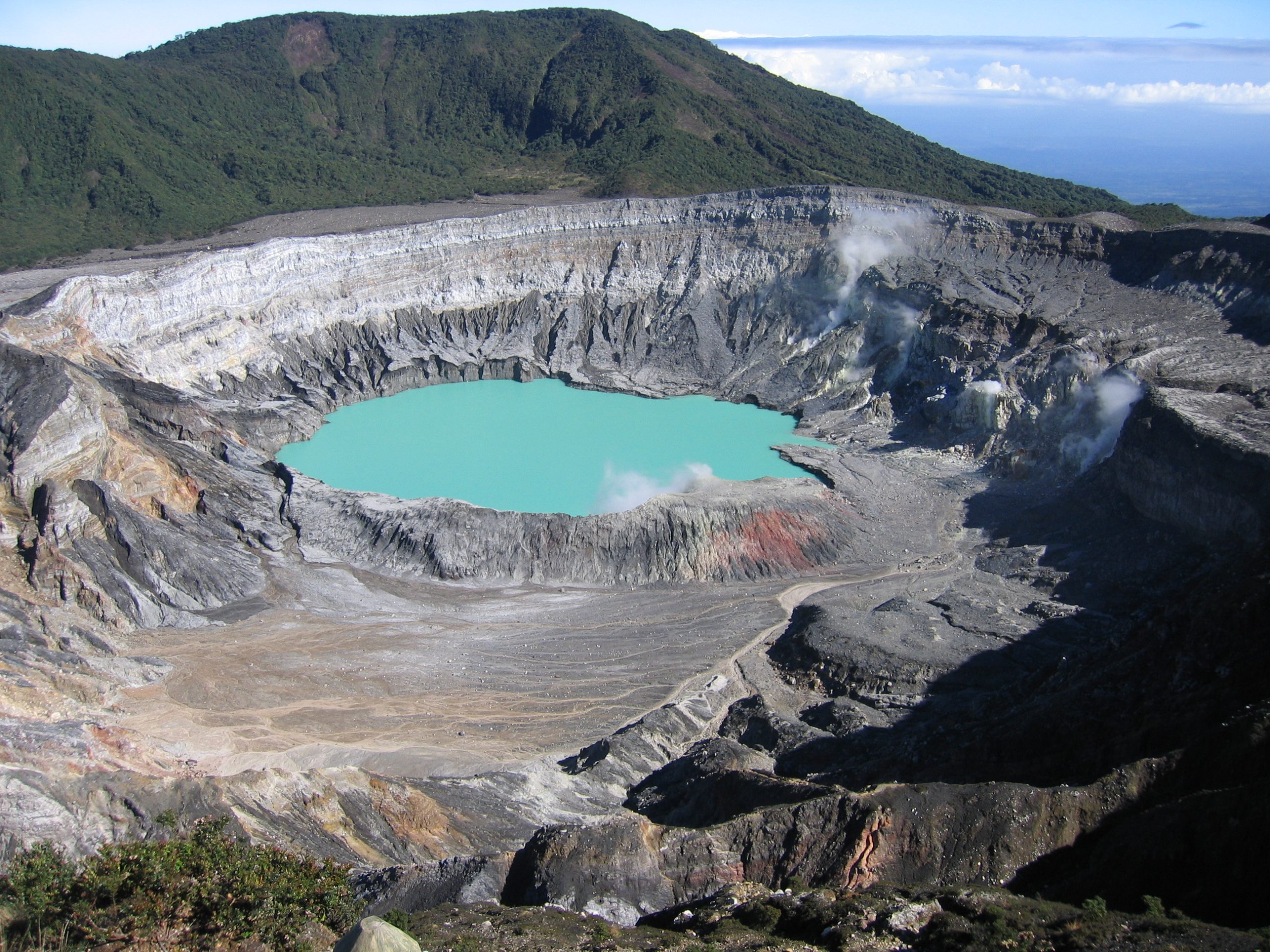
Experience the beauty of the Póas and the Arenal Volcanoes in this 10 day adventure package. You will enjoy the fun activities surrounding these volcanoes to later continue to one of the most popular beaches in Costa Rica. Visit coffee plantations and learn about history and local culture.
A Coffee Tour
Costa Rica’s “seed to cup” journey is a rhythmic blend of nature and craft. While every estate guards its own processing secrets, the commitment to the Arabica bean ensures a consistently world-class profile that you can smell, touch, and eventually, taste. The tour consists on:
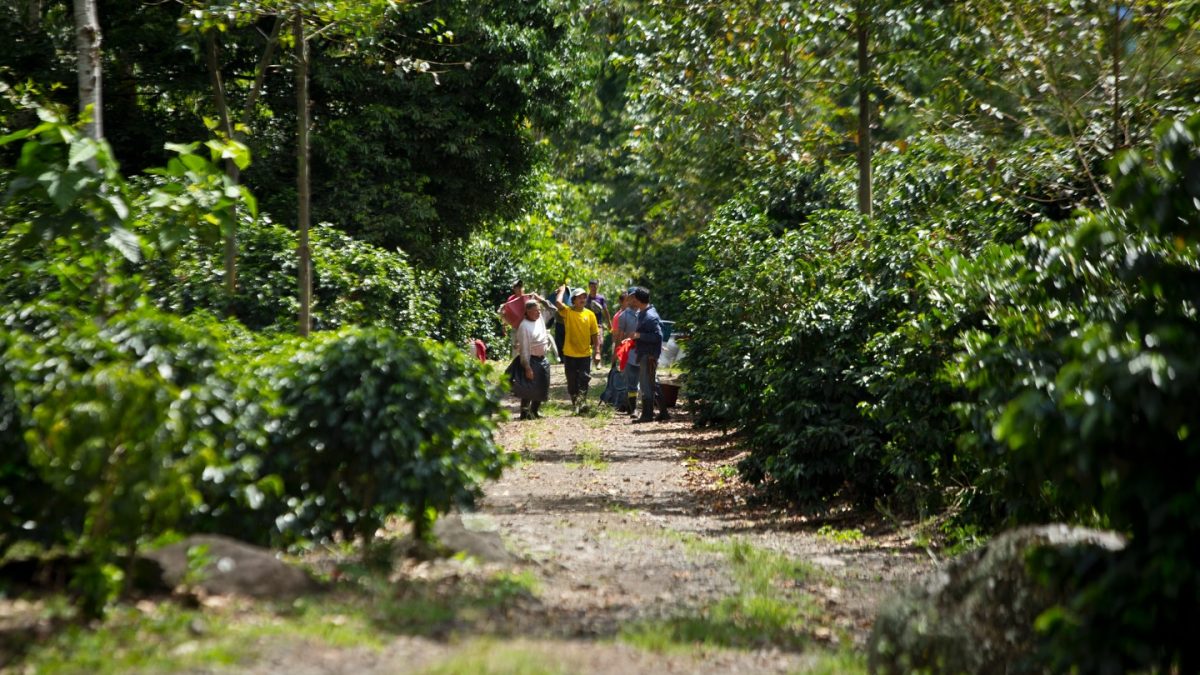
The Harvest: If you visit between November and February, you’ll step into the shoes of a picker, learning to bypass the green fruit in search of the “red gold” (perfectly ripe cherries).
The Processing: At the Wet Mill, you’ll witness the mechanical removal of the fruit pulp before heading to the drying patios. Here, the beans bask in the sun, releasing a heavy, sweet aroma known as the “honey” stage.
The Cupping: The journey concludes with a professional tasting. You’ll be taught the specific “slurp” technique used by experts to aerate the coffee, allowing your palate to detect nuanced undertones of citrus, chocolate, and caramel.
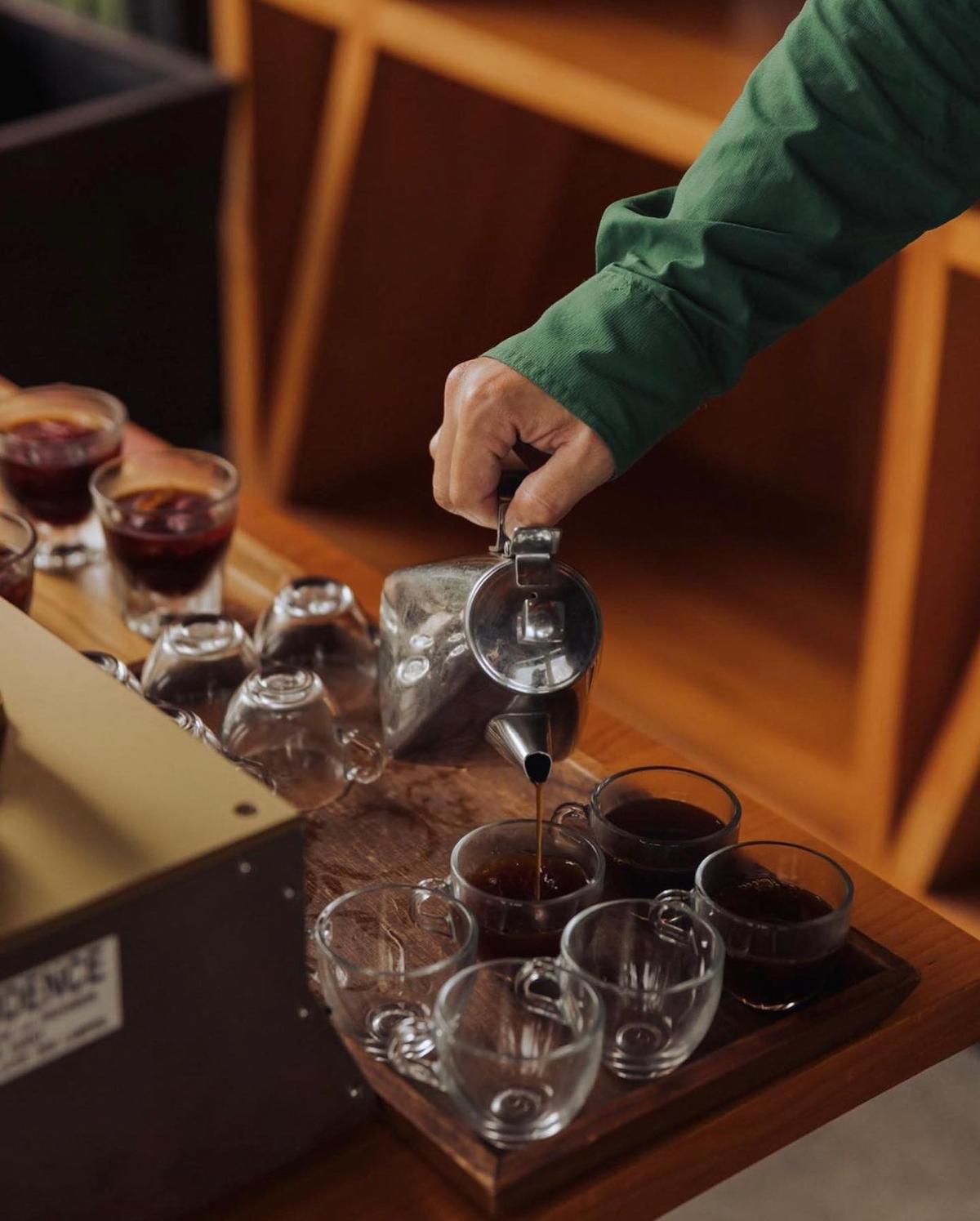
Because coffee grows on volcanic slopes, it is easy to pair a morning tour with an afternoon of exploration:
Poás Volcano & Doka Estate: Visit the Poás Volcano first thing in the morning for the best chance to see the crater (reservations are mandatory). Afterward, descend through rolling hills to the Doka Estate. Whether you arrive for a traditional Gallo Pinto breakfast or a hearty “Casado” buffet lunch, you’ll be surrounded by the aroma of world-class beans. Upgrade your day with a visit to La Paz Waterfall Gardens to explore their stunning butterfly and hummingbird gardens, the reptile and wildcat exhibits, and a scenic hike to visit five spectacular waterfalls. This is a full day of true Costa Rican adventure!
Irazú and Orosi Valley: Begin your day atop Irazú Volcano, the highest active volcano in the country. Enjoy a scenic route of the beautiful mountain views. Pause for a warm drink at a local viewpoint before heading into the Orosi Valley. Here, you can visit Finca Cristina, an intimate, off-the-beaten-path organic farm, for a deep dive into sustainable coffee production and the valley’s rich agricultural heritage.