
Corcovado National Park: How to Experience Costa Rica’s Wildest Destination Without the Stress
By SIlvanna Pacheco, June 10th, 2026
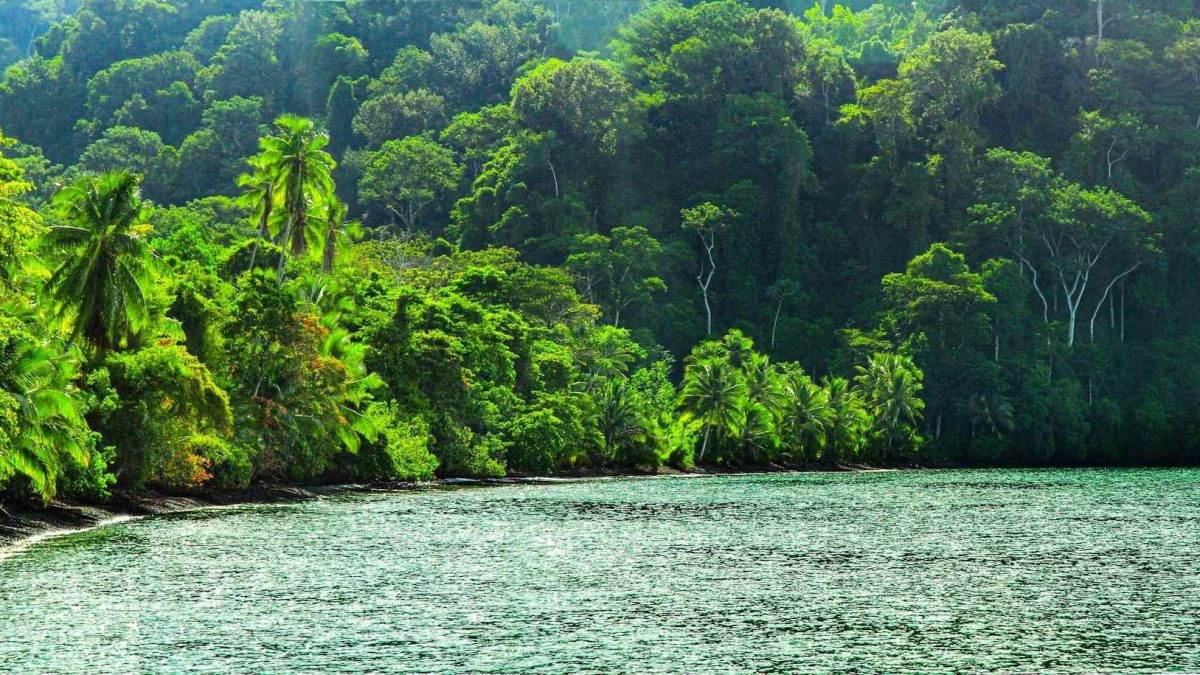
For discerning travelers, Corcovado National Park represents the holy grail of Costa Rica’s ecotourism. Located on the remote Osa Peninsula, National Geographic famously named it “the most biologically intense place on Earth in terms of biodiversity”. Adding Corcovado to your Costa Rican adventure guarantees an unforgettable journey into the wild.

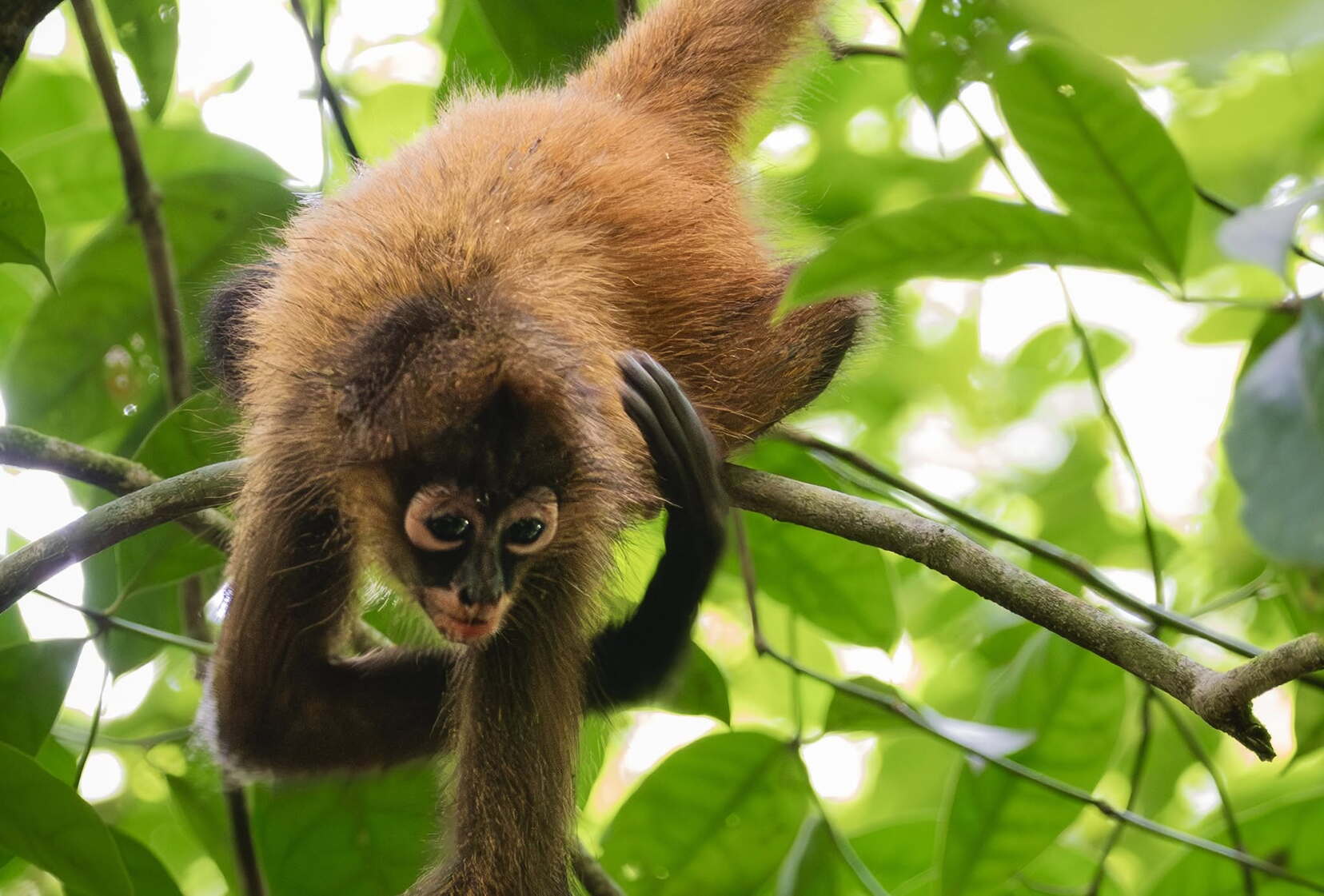
Unlike the highly accessible routes of Manuel Antonio or Monteverde, Corcovado offers an unfiltered encounter with old-growth primary rainforest and untouched Pacific coastline. It serves as a refuge for all four of Costa Rica’s native monkey species (including the endangered squirrel monkey) and for the majestic scarlet macaw, white-lipped peccaries, Baird’s tapirs, and the elusive jaguar.
Because getting to Corcovado requires a calculated mix of domestic flights, 4×4 and boat transfers, travelers quickly realize they cannot easily “wing it”. A successful visit requires precise timing and a deep understanding of the park’s strict regulatory framework.
The Sistema Nacional de Áreas de Conservación (SINAC) enforces rigid daily visitor quotas for every single ranger station. Permits must be secured in advance, particularly for peak season (December through April). Independent entry is strictly illegal. Every single visitor must be accompanied by a licensed, certified ICT (Instituto Costarricense de Turismo) guide.

Choosing Your Base: The Ranger Stations.
Sirena Ranger Station:
Sirena sits directly in the center of Corcovado’s lowland basin. Because it is surrounded on all sides by continuous, undisturbed primary forest, wildlife behaves differently here, resulting in Costa Rica’s highest encounter rates. You will experience mostly flat accessible trails through secondary and primary coastal rainforest, river margins, and open beach. Look out for scarlet macaws, all four of Costa Rica’s monkey species, and the highest probability of spotting the endangered Baird’s tapir (especially at dawn and dusk). This is the only station offering overnight rustic accommodations (dorm-style wooden bunks with mosquito nets, electricity, and a dining hall serving catered meals). No outside food is permitted. La Sirena can be reached via a 60-to-90-minute boat ride from Drake Bay or a 90-minute boat ride from Puerto Jiménez. It can also be reached via multi-day jungle treks from La Leona or Los Patos.
San Pedrillo Ranger Station (The Northern Gate):
Accessible via boat from Drake Bay, this station is defined by towering primary rainforests, waterfall trails, and rugged coastal scenery. You will find great birdwatching, white-faced capuchin monkeys, coatis, and a growing reputation for elusive puma sightings. A quick 20-to-25-minute boat ride from Drake Bay will take you to San Pedrillo, making it ideal for clients who prefer shorter boat transit or face motion sickness.
La Leona Ranger Station (The Southern Coastal Border)
Situated on the southern tip of the park near Carate, La Leona is the primary entry point for travelers approaching from the Puerto Jiménez side of the Osa Peninsula. Experience a rugged, sun-drenched coastal hike that tightly hugs the Pacific shoreline, moving between dense jungle borders, rocky points, and wild beaches. It serves as the starting point for the legendary 16.5 km (6-to-7-hour) overland trek to Sirena Station. Hikes must be meticulously timed around the ocean tides to safely cross river mouths.
Los Patos Ranger Station
Tucked deep into the mountainous eastern interior near the town of La Palma, Los Patos sits far away from the coast. Experience a pure, dense, high-canopy inland jungle with steeper topography and multiple river crossings. It is highly pristine and experiences the lowest tourist numbers due to a mix of extreme geography, brutal logistics, and the specific type of experience it offers. This is the launching pad for advanced hikers tackling the rigorous 23 km (8-to-9-hour) cross-park trek through the interior core down to Sirena Station. It is highly muddy and typically restricted to the dry season (December to April).

When visiting the Osa Peninsula, there are great accommodations to choose from, but the key to a flawless itinerary is understanding that “luxury” in this region doesn’t mean marble lobbies and high-rise resorts. In this corner of Costa Rica, true luxury means total immersion: waking up to the call of howler monkeys, watching scarlet macaws fly past your private deck, and enjoying premium comfort while being completely off the grid. Day trips into Sirena or San Pedrillo from these properties are conducted via private, high-speed boat launches or scenic charter flights, seamlessly combining world-class wildlife tracking with premium amenities, hot showers, and fine dining. Be sure to explore our guide to Drake Bay to learn more about this enchanting location.
Alternatively, purists and researchers can choose an immersive stay designed to prioritize wildlife proximity above all else. By staying overnight directly inside the Sirena Ranger Station, you bypass traditional comforts.
The ideal Corcovado client is an active traveler looking for exclusive, remote destinations far from standard tourist tracks. This destination is perfect for avid birdwatchers, photographers, and conservation-minded travelers who understand that true wilderness requires active effort to reach. Our local experts will map out the perfect route for your expedition.

Because getting to the Osa Peninsula requires multiple steps, the best way to experience it is as the grand finale of a larger, immersive Costa Rican journey. Here is an example of a 12-day itinerary that blends culture, wildlife and forest:
Day 1: Arrival in San José – Land at SJO airport and transfer to a beautiful boutique hotel in the historic Central Valley.
Day 2: San José Culture & Architecture – Explore the capital’s architectural highlights, including the National Theatre, before driving up into the mountain highlands.
Days 3–4: Arenal Volcano & Hot Springs – Head north to experience hanging bridges, waterfall and a relaxing soak in natural volcanic thermal rivers.
Days 5–6: Central Pacific Coast (Manuel Antonio to Uvita) – Travel down the Pacific coast. Hike through Manuel Antonio National Park or head to Uvita for a marine safari to spot wild dolphins and migrate humpback whales.
Day 7: Journey to Corcovado – Take a private boat on Sierpe River, cutting through Central America’s largest untouched mangrove system out into the Pacific Ocean to reach your remote Drake Bay eco-lodge.
Day 8: Corcovado Hiking (Sirena Station) – A spectacular day trip to track tapirs, search for monkeys, and marvel at the biodiversity before an evening night hike back at your lodge.
Day 9: Caño Island Marine Sanctuary – Board a boat to Caño Island for world-class snorkeling alongside sea turtles, white-tip reef sharks, and bright tropical fish.
Day 10: Primary Jungle & Hidden Waterfalls (San Pedrillo) – Visit the northern station of the park to hike among towering, ancient trees and swim in a secluded jungle waterfall pool.
Day 11: Fly back to SJO – Take a domestic charter flight right from the Drake Bay airstrip, flying over the coast back to San José for a final evening of fine dining.
Day 12: Transfer back to SJO airport for your flight home.
Corcovado is an absolute masterpiece of the natural world, and a journey this extraordinary shouldn’t be overshadowed by complex logistics. Whether your perfect day ends with the refined comfort of a luxury eco-lodge or deep within the jungle at a ranger station, our local experts are ready to design a custom itinerary tailored entirely to your style. Let us manage the friction while you immerse yourself in the adventure.